Powering the
Global energy transition for
Critical Minerals
Strategic partner for rare earth elements (REE) & critical minerals

Strategic partner for rare earth elements (REE) & critical minerals
Critical minerals form the foundation of modern industry, powering everything from clean energy and electronics to infrastructure and advanced manufacturing. Their strategic importance lies in enabling technological progress, energy transition, and long-term economic resilience.
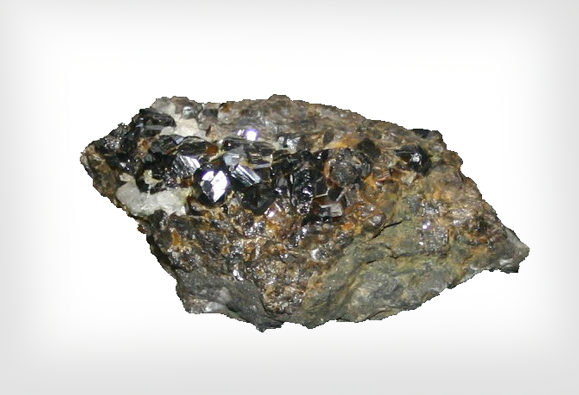
Key to soldering and coatings, tin ensures dependable electrical connections in electronic circuits. It improves conductivity in semiconductor and communication devices. Its properties support consistent performance in modern electronics.
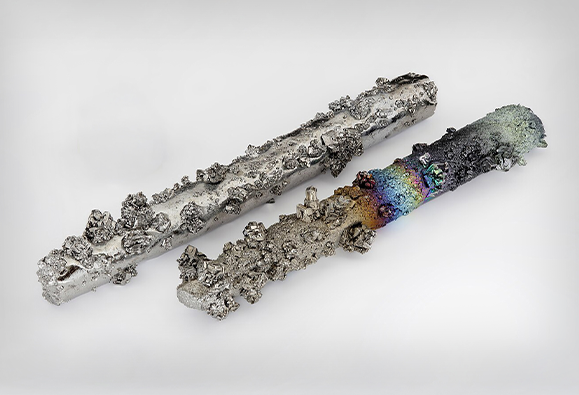
Known for extreme hardness, tungsten supports cutting tools and industrial machinery. It improves durability under high-temperature conditions. Its properties enable heavy industrial operations.
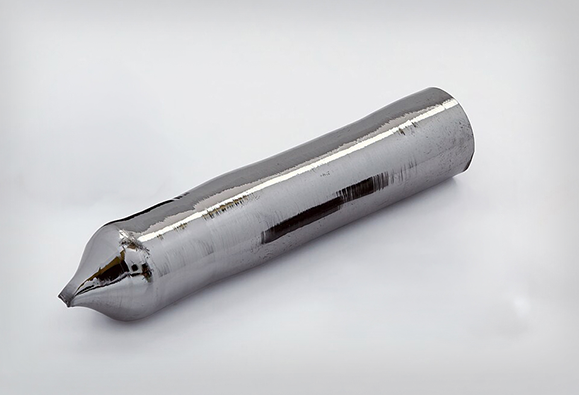
Essential for capacitors and electronic devices, tantalum provides stability in advanced technological environments. It improves corrosion resistance in chemical processing and precision components. Its performance supports reliable manufacturing and industrial applications.
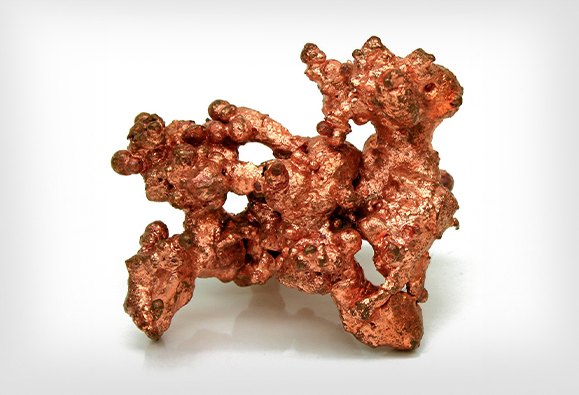
Known for excellent conductivity, copper supports electrical wiring and power systems. It improves efficiency in transmission and renewable energy networks. Its importance grows with expanding global electrification.
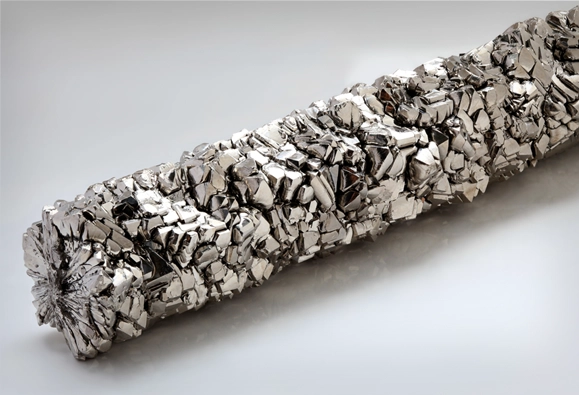
Favored for strength and corrosion resistance, titanium supports aerospace components and medical implants. It improves reliability in harsh operational environments. Its durability enables high-performance engineering applications.
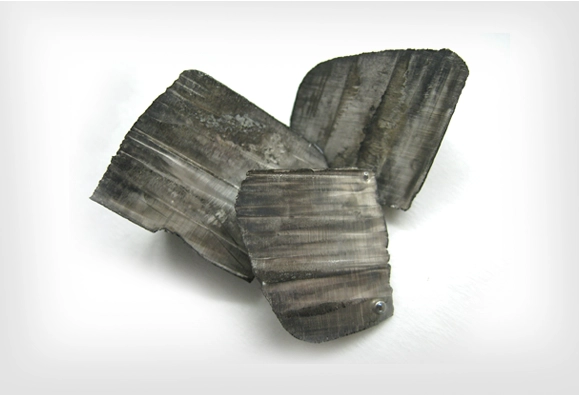
Central to rechargeable batteries, lithium powers electric vehicles, portable electronics, and renewable energy storage systems. It improves performance in high-capacity power solutions supporting modern electrification. Its characteristics enable sustainable energy applications and long-term reliability.
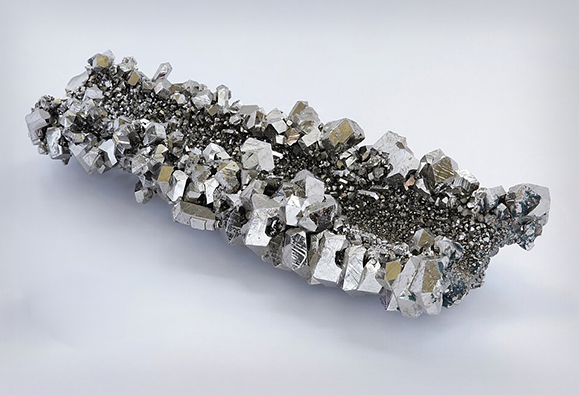
Strengthening high-performance steel, niobium enhances flexibility and structural durability. It improves performance in lightweight engineering materials across industries. Its properties support efficient infrastructure and transportation development.
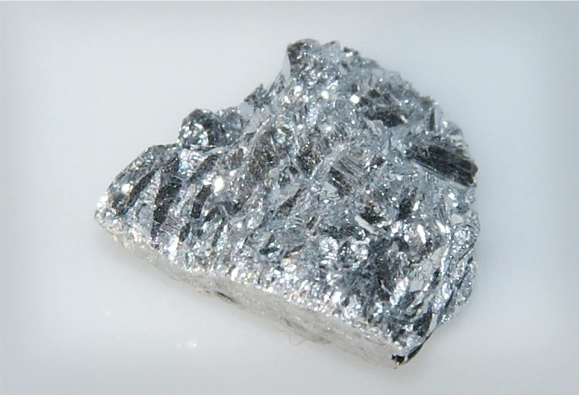
Commonly applied in flame retardants, batteries, and specialized alloys, antimony enhances safety and durability across industrial manufacturing. It improves reliability in engineered materials and high-performance components operating in demanding environments. Its properties support electronics production and consistent operational performance.
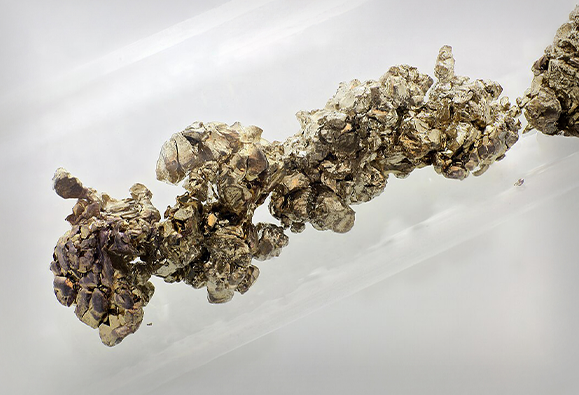
Found in ceramics, glass, and electronic components, strontium enhances stability across industrial manufacturing processes. It improves durability in engineered materials and specialized technological applications. Its role supports consistent quality and reliable operational output.
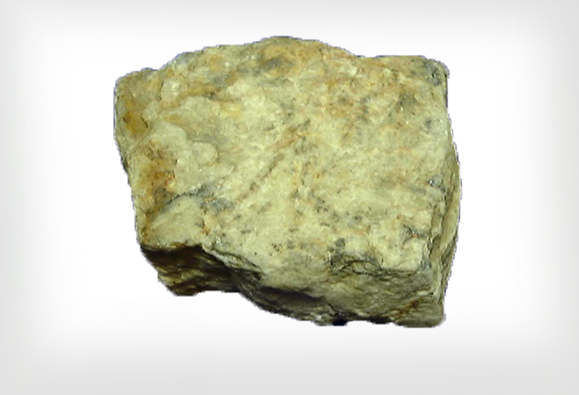
Valued for lightweight strength, beryllium supports aerospace structures, defense systems, and precision electronics. It improves reliability in components operating under extreme thermal and mechanical conditions. Its performance enables advanced engineering and high-technology applications.
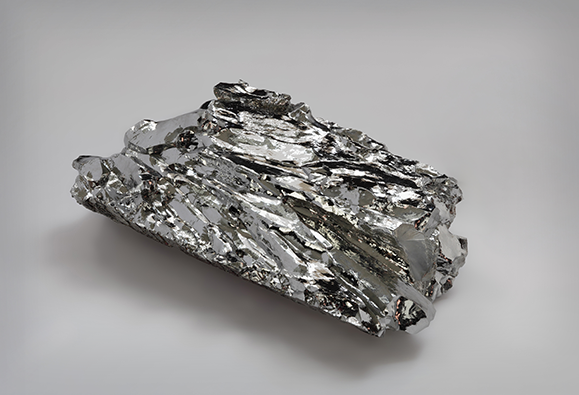
Integrated into steel alloys and industrial equipment, molybdenum enhances strength and corrosion resistance. It improves durability in materials exposed to high stress and elevated temperatures. Its contribution supports heavy engineering and long-term industrial reliability.
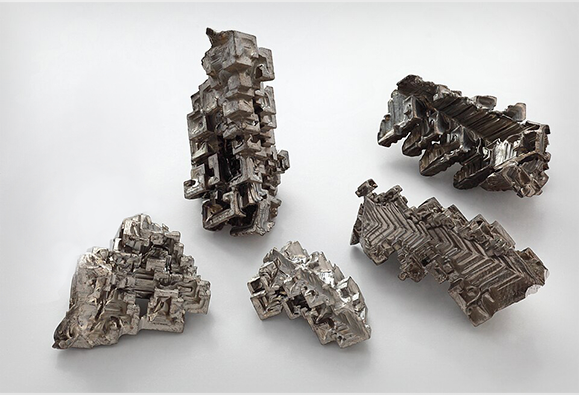
Recognised as a non-toxic metal, bismuth replaces lead in environmentally safer alloys. It improves sustainability in engineered material applications. Its characteristics enable reliable performance across specialised manufacturing sectors.
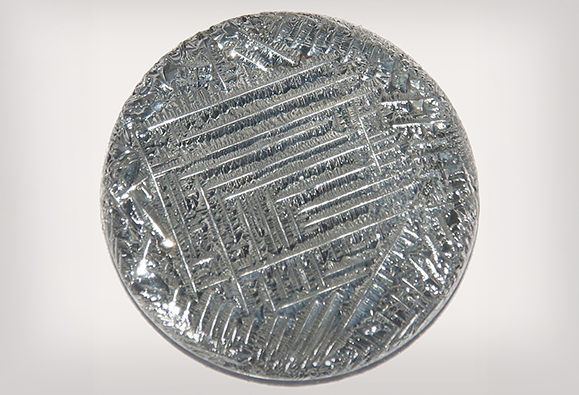
Supporting solar panels and thermoelectric devices, tellurium enhances energy conversion efficiency. It improves machinability in engineered industrial materials. Its role contributes to durability in advanced manufacturing environments.
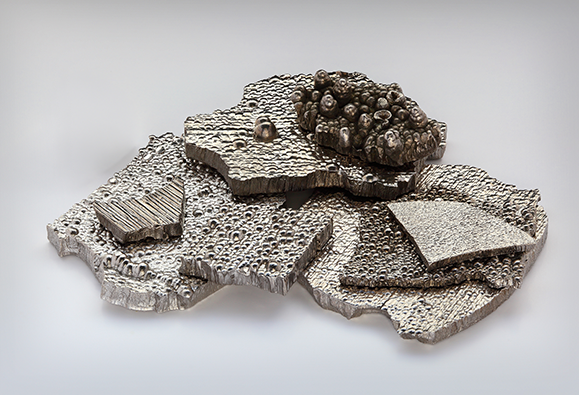
Critical for lithium-ion batteries, cobalt enhances energy density and operational stability. It improves performance in high-demand energy storage systems. Its properties support electric mobility and industrial applications.

Widely incorporated into stainless steel and batteries, nickel enhances corrosion resistance and mechanical strength. It improves durability in infrastructure and manufacturing applications. Its role supports long-term engineering reliability.
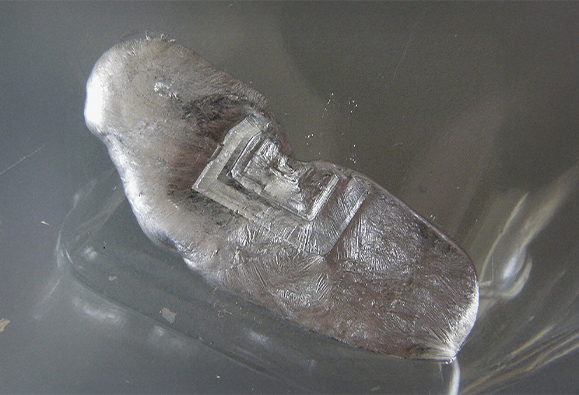
Important in semiconductors and LEDs, gallium enhances advanced electronics performance. It improves efficiency in optoelectronic devices and communication technologies. Its properties support modern digital infrastructure.
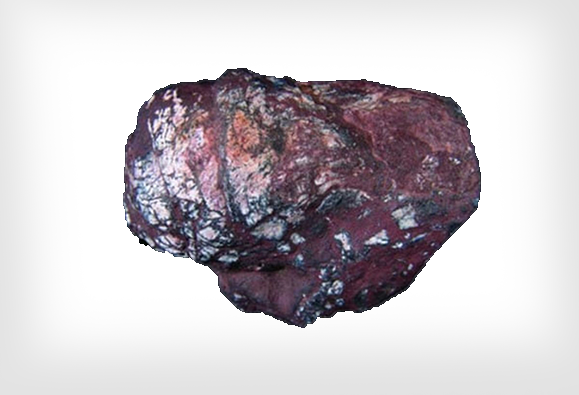
Essential for fertilizers, phosphorus supports agricultural productivity and soil health. It improves crop development and farming efficiency worldwide. Its role contributes to global food production systems.
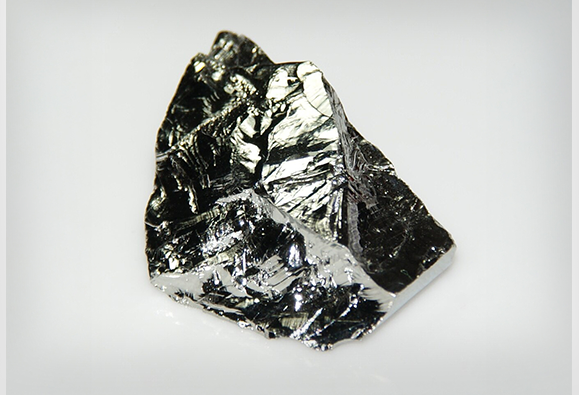
Utilized in fiber optics and semiconductors, germanium enhances communication technologies. It improves sensing capabilities in precision electronic systems. Its performance supports advanced technological applications.

Vital for fertilizers, potash improves soil fertility and crop productivity. It enhances agricultural efficiency and sustainable farming practices. Its contribution supports global food security.

Strengthening steel alloys, vanadium enhances structural durability in infrastructure materials. It improves performance in industrial engineering applications. Its properties support efficient construction and manufacturing.
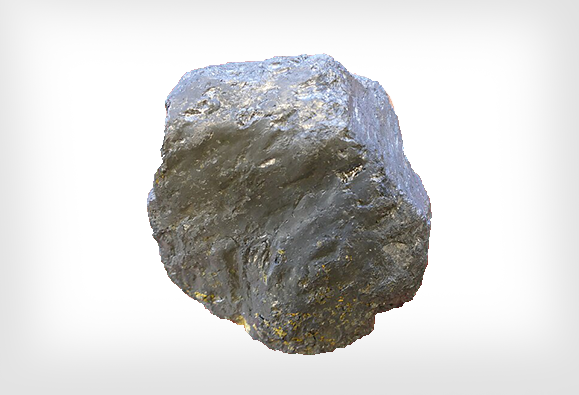
Essential for battery anodes, graphite supports energy storage technologies. It improves conductivity in industrial and manufacturing applications. Its characteristics enable advanced production performance.
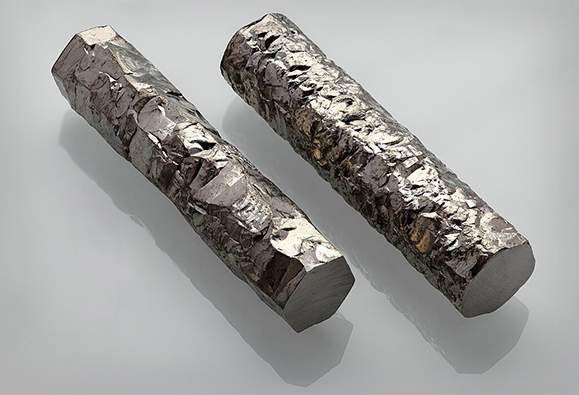
Resistant to heat and corrosion, zirconium supports nuclear and industrial components. It improves reliability in extreme operational environments. Its stability benefits advanced engineering technologies.
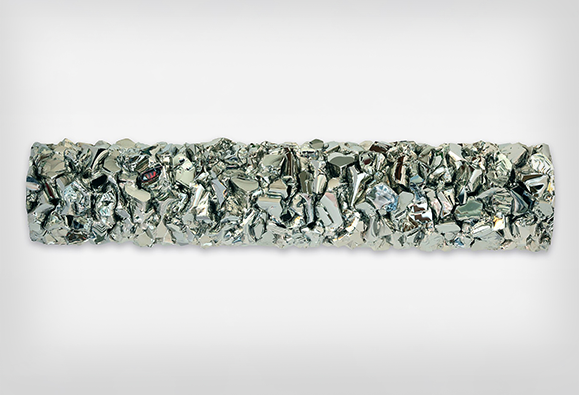
Known for high-temperature resistance, hafnium supports aerospace alloys and semiconductors. It improves stability in demanding technological applications. Its performance ensures reliable operational conditions.
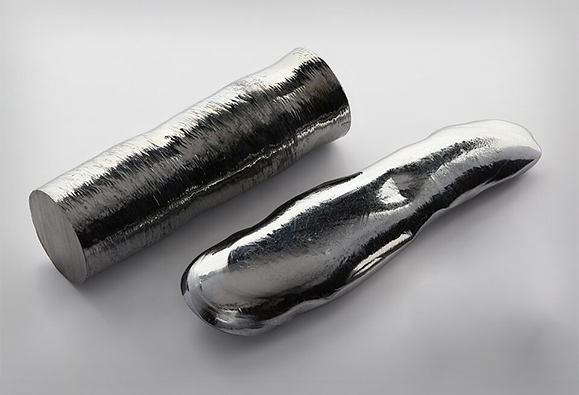
Incorporated in jet engine superalloys, rhenium enhances heat resistance and durability. It improves performance under extreme thermal stress. Its properties support aerospace engineering reliability.
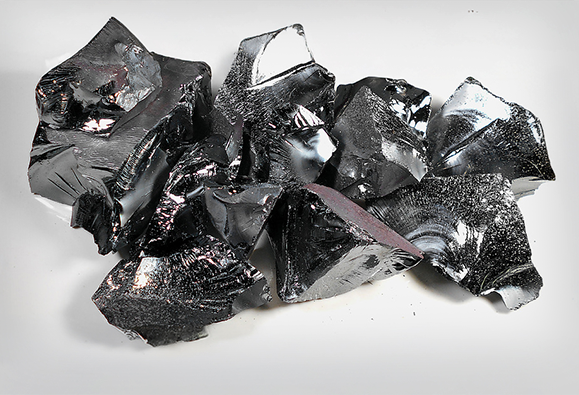
Applied in electronics and glass manufacturing, selenium enhances material performance. It improves efficiency in solar and industrial technologies. Its characteristics support advanced industrial processes.
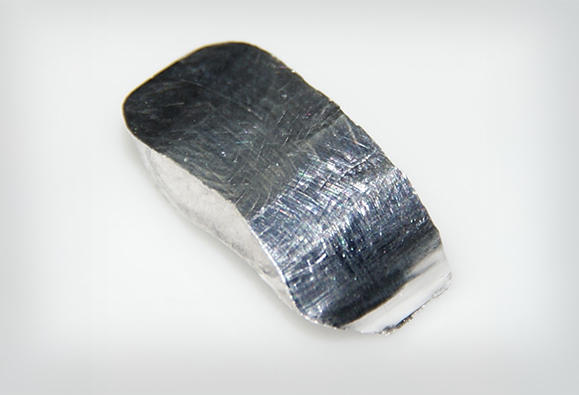
Important for touchscreens and thin-film coatings, indium supports modern electronic devices. It improves display quality and precision components. Its properties enable advanced digital technologies.
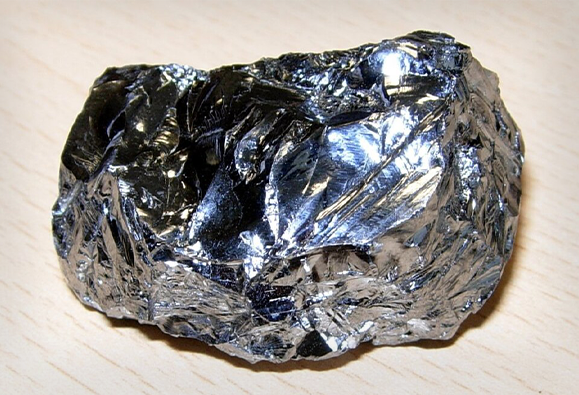
Foundational to semiconductors, silicon powers computing and solar technologies. It improves efficiency in communication systems. Its importance supports global digital development.
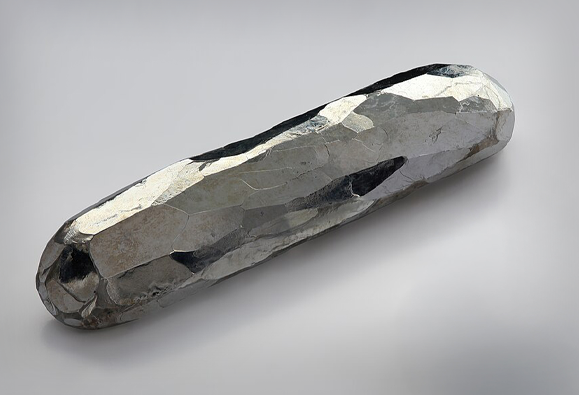
Utilized in batteries and coatings, cadmium provides corrosion resistance. It improves durability in demanding operational environments. Its properties support reliable manufacturing performance.
Every requirement deserves the right response. Our team is ready to listen, understand, and deliver with clarity.
INDIAN METAL EX PRIVATE LIMITED
Surat, Gujarat, India-395007
Critical minerals are essential raw materials required for key sectors like clean energy, electronics, defense, and advanced manufacturing. Their supply is often limited or concentrated, making them vital for economic growth and national security.
They power technologies such as electric vehicles, renewable energy systems, semiconductors, and aerospace components—making them central to the global energy transition and technological advancement.
India’s National Critical Mineral Mission is a strategic initiative by the Government of India to secure access to essential minerals, reduce import dependency, strengthen domestic supply chains, and support clean energy and industrial growth.
Yes. Indian Metal Exchange supports the Mission by enabling secure global sourcing, building strategic partnerships, and strengthening reliable supply chains to enhance India’s resource security.
Overdependence on a few countries can create geopolitical and economic risks. Diversifying supply ensures stability, resilience, and uninterrupted industrial growth.
Rising demand increases competition, price volatility, and supply risks. Businesses must adopt strategic sourcing, long-term partnerships, and sustainable practices to stay competitive.
Indian Metal Exchange facilitates cross-border trade, builds partnerships with mineral-rich regions, ensures quality assurance, and leverages strategic partnership for transparent and efficient global transactions.
The market is expected to grow rapidly due to increasing demand from clean energy, EVs, and advanced technologies, making it a cornerstone of future global economic development.